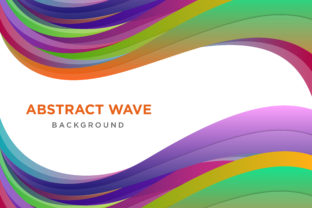
Colorful Wave Background: A Dynamic Gradient Template for Modern Design
In the ever-evolving world of graphic design, the demand for visually striking and adaptable elements has never been higher. Among the most captivating assets are colorful wave backgrounds, which combine aesthetic appeal with functional versatility. These dynamic gradient templates offer a unique blend of motion, form, and color that can elevate any creative project. Whether used in digital marketing, web development, or print media, a wavy background serves as more than just an artistic flourish—it’s a powerful tool for communication and engagement.
The essence of a colorful wave background lies in its ability to convey movement and fluidity. Unlike static images, these designs incorporate flowing shapes and ripple effects that suggest energy and motion. This makes them ideal for projects aiming to evoke a sense of innovation, progress, or creativity. The use of abstract and sci-fi elements further enhances their appeal, allowing designers to experiment with 3D visuals, physics-based animations, and motion graphics.
One of the standout features of a colorful wave background is its adaptability. It can seamlessly transition from a web banner to a brochure cover, or even serve as a header for a corporate presentation. This flexibility is particularly valuable in marketing and advertising contexts, where visual consistency across multiple platforms is crucial. By integrating a dynamic gradient template, designers can maintain a cohesive look while still standing out in a crowded digital space.
When it comes to graphic design, the colorful wave background offers a range of practical applications. For instance, it can be used to create flyers that grab attention with their flowing forms and bold color schemes. In the realm of science and research, such backgrounds can illustrate complex concepts like fluid dynamics or wave propagation in a visually engaging way. Even in education, these designs can enhance learning materials by making abstract ideas more tangible and relatable.
The vector nature of these backgrounds ensures scalability without loss of quality. This means they can be resized for different formats—whether it's a billboard or a social media post—without compromising clarity. Additionally, the abstraction inherent in these designs allows for a wide range of interpretations, making them suitable for both corporate and futuristic aesthetics. This adaptability is especially beneficial for business owners looking to create a strong brand identity through consistent visual elements.
Another key advantage of using a colorful wave background is its potential to enhance user experience. In web design, for example, a well-crafted wavy background can guide the viewer’s eye through a page, drawing attention to important content or calls to action. When paired with motion graphics or interactive elements, these backgrounds can create a more immersive and engaging browsing experience. This is particularly relevant in industries where user retention and brand recall are critical factors for success.
For creative professionals, the colorful wave background represents a valuable addition to their design toolkit. It provides a foundation for experimentation with layout, color theory, and typography. By incorporating these backgrounds into cards, covers, or presentations, designers can push the boundaries of traditional design and explore new visual languages. This not only fosters innovation but also helps in staying ahead of trend cycles in the competitive design industry.
Despite its many benefits, working with a colorful wave background requires careful consideration. The complexity of the design can sometimes overshadow the primary message if not balanced properly. Therefore, it’s essential to maintain a focus on readability and clarity, especially when the background is used in conjunction with text or other graphical elements. Additionally, the choice of colors and gradients should align with the overall theme of the project, ensuring that the final result is both aesthetically pleasing and functionally effective.
Looking ahead, the future of graphic design seems increasingly intertwined with dynamic and fluid elements. As technology advances, we can expect to see more sophisticated implementations of colorful wave backgrounds, including real-time animations and AI-generated variations. These developments will open up new possibilities for designers, enabling them to create even more immersive and interactive experiences. For those willing to embrace this shift, the abstract and modern nature of these backgrounds offers a rich canvas for exploration and expression.
Ultimately, the colorful wave background exemplifies the intersection of art and technology in contemporary design. Its visual impact, versatility, and dynamic properties make it a compelling choice for a wide range of applications. Whether used to enhance a website, brochure, or advertisement, this type of background continues to inspire and innovate, proving that design is not just about aesthetics—it’s about creating meaningful connections through visual storytelling.