Gillebra: A Stylish and Thin Script Font for Modern Design
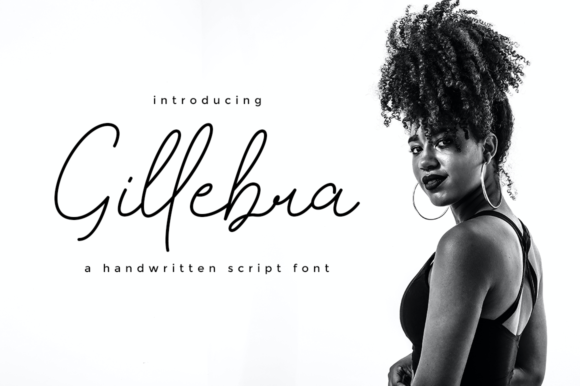
In a world where visual communication is more important than ever, the right font can make all the difference. Gillebra is a stylish and thin script font that offers a unique blend of elegance and readability. Its refined strokes and fluid curves give it a handwritten touch that feels both personal and professional. Whether you're designing a wedding invitation or a business card, Gillebra brings a level of sophistication that stands out in any context.
As design trends continue to evolve, there's a growing appreciation for fonts that convey authenticity and character. Gillebra fits perfectly into this shift, offering a modern alternative to traditional serif and sans-serif typefaces. Its thin structure allows for easy legibility, even at smaller sizes, while its script style adds a touch of creativity and warmth. This makes it an ideal choice for a wide range of applications, from digital projects to print media.
The Rise of Handwritten Typography in Modern Design
Handwritten typography has seen a resurgence in recent years, driven by a desire for more personal and human-centric design elements. In a digital age dominated by uniformity, fonts like Gillebra provide a refreshing contrast. They bring a sense of individuality and craftsmanship that resonates with both creators and audiences.
This trend aligns with broader changes in how people interact with content. Consumers are increasingly drawn to designs that feel authentic and relatable. Gillebra’s natural, flowing style helps bridge the gap between digital and physical communication, making it a valuable tool for anyone looking to create a more engaging visual identity.
From social media posts to marketing materials, the use of handwritten fonts has become a way to stand out in a crowded space. Gillebra’s versatility ensures it can be used effectively across different platforms and formats, maintaining its charm and clarity no matter the medium.
Applications of Gillebra in Everyday Design
One of the most appealing aspects of Gillebra is its adaptability. It works well in a variety of design contexts, making it a go-to choice for professionals and hobbyists alike. For example, in the realm of event planning, Gillebra is a popular choice for wedding invitations. Its elegant lines and subtle texture add a touch of class without overwhelming the overall design.
Thank you cards and greeting cards also benefit from Gillebra’s expressive nature. These pieces often rely on emotional resonance, and the font’s soft, flowing style helps convey warmth and sincerity. Similarly, quotes and motivational posters can be enhanced with Gillebra, as it adds a personal and artistic flair that captures attention.
Businesses looking to differentiate themselves may find Gillebra useful for logos and branding materials. While it’s not as bold as some other script fonts, its thin structure allows for a clean and modern look that can be easily incorporated into a brand’s visual identity. It’s especially effective when paired with simpler, more geometric typefaces to balance the design.
Why Gillebra Stands Out in a Crowded Market
With so many fonts available, it can be challenging to choose one that truly meets your needs. Gillebra distinguishes itself through its balance of style and functionality. Unlike some script fonts that prioritize aesthetics over readability, Gillebra maintains a clear and consistent form, making it suitable for longer text blocks as well as short headlines.
Another factor that sets Gillebra apart is its ability to work across different cultures and languages. While many fonts are designed with specific scripts in mind, Gillebra’s universal structure allows it to be used in a variety of linguistic contexts. This makes it a practical choice for international designers and businesses.
Additionally, Gillebra’s thin weight gives it a modern and minimalist appeal. This aligns with current design trends that favor simplicity and clarity. It’s a font that doesn’t demand attention but still manages to leave a lasting impression, which is exactly what many designers are looking for in today’s fast-paced visual landscape.
Practical Tips for Using Gillebra in Your Projects
If you’re considering using Gillebra in your next design project, there are a few key considerations to keep in mind. First, ensure that the font is properly licensed for your intended use. Many fonts come with different usage rights depending on whether they’re used for personal, commercial, or web-based projects.
When working with Gillebra, it’s important to test it in different sizes and settings. While it looks great in larger headings, it may require adjustments when used in body text. Pairing it with a complementary typeface can help enhance its impact and improve overall readability.
For digital projects, consider how Gillebra will render on different devices and screen resolutions. Some fonts may appear differently on mobile screens compared to desktop monitors, so it’s wise to preview your work across multiple platforms before finalizing your design.
Finally, don’t be afraid to experiment with color and spacing. Gillebra’s thin structure allows for creative use of negative space, and its delicate lines can be accentuated with subtle color choices. These small details can make a big difference in the overall aesthetic of your design.
How Gillebra Reflects Changing Design Needs
The increasing demand for personalized and meaningful design solutions has influenced the way fonts are chosen and used. Gillebra reflects this shift by offering a font that feels both contemporary and timeless. It’s a choice that speaks to the evolving expectations of users who want their designs to feel more connected and intentional.
As remote work and digital collaboration become more common, the need for visually engaging content has grown. Gillebra provides a way to add personality to digital communications, whether it’s in email templates, presentations, or social media graphics. Its ability to convey warmth and professionalism makes it a versatile tool for modern creatives.
Moreover, as sustainability and ethical design practices gain traction, fonts like Gillebra offer a way to reduce reliance on generic, mass-produced typefaces. By choosing a unique and thoughtful font, designers can contribute to a more diverse and expressive visual culture.
Conclusion: Embracing Gillebra for Creative Expression
Gillebra is more than just a font—it’s a tool for creative expression that aligns with current design trends and user preferences. Its stylish and thin script style offers a perfect balance between elegance and functionality, making it a valuable addition to any designer’s toolkit.
Whether you’re working on a personal project or a professional assignment, Gillebra provides a way to add a touch of personality and refinement. As the design landscape continues to evolve, fonts like Gillebra will remain relevant for those who value both aesthetics and practicality in their work.