Keylista Robin: A Stylish Handwritten Font for Creative Projects
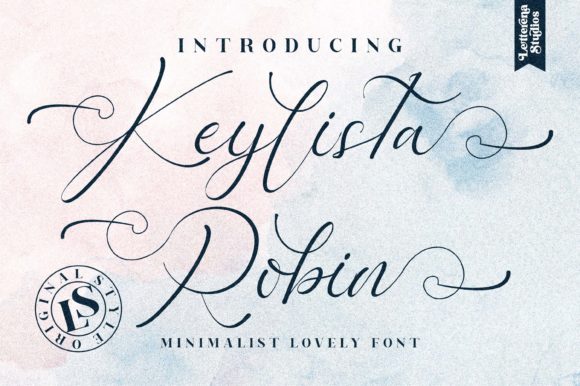
Keylista Robin is a thin and stylish handwritten font that offers a unique, elegant touch to various design projects. Its delicate strokes and flowing lines make it ideal for applications where a personal, handcrafted feel is desired. Whether you're working on wedding invitations, thank you cards, quotes, greeting cards, logos, or business cards, Keylista Robin can add a refined aesthetic that stands out.
This font is PUA encoded, which means users can access all of its glyphs and swashes without needing special software or additional tools. This feature makes it particularly useful for designers who want to customize their work with a wide range of stylistic options.
Why Choose Keylista Robin?
For those looking to add a handwritten element to their designs, Keylista Robin provides a versatile and visually appealing option. Its thin weight gives it a light and airy appearance, making it suitable for both formal and casual contexts. The font's legibility is maintained even at smaller sizes, allowing it to be used in a variety of formats.
Designers who value customization will appreciate the ability to use the font's swashes and alternate characters. These features allow for greater flexibility in creating unique layouts and compositions. Additionally, the font’s overall style lends itself well to modern and minimalist design trends, making it a popular choice among professionals in the creative industry.
Benefits of Using Keylista Robin
One of the main benefits of Keylista Robin is its ability to convey a sense of authenticity and personalization. In an era where digital typography dominates, using a handwritten font can help designs stand out and feel more human. This is especially valuable in industries such as weddings, event planning, and branding, where a personal touch is essential.
The font’s PUA encoding also contributes to its usability. Unlike some other fonts that require specific keyboard layouts or software to access certain characters, Keylista Robin allows users to access all glyphs directly. This simplifies the design process and reduces the learning curve for those new to using handwritten fonts.
Considerations and Tradeoffs
While Keylista Robin offers many advantages, it may not be the best choice for every project. Its thin weight and intricate details can sometimes reduce readability, especially in larger text sizes or when used in low-resolution environments. Designers should consider the context in which the font will be used and test it thoroughly before finalizing their work.
Another consideration is the font’s suitability for different languages and scripts. While Keylista Robin is designed primarily for Latin-based alphabets, it may not support extended character sets or non-Latin scripts. Users should verify compatibility with their target language before incorporating the font into their designs.
Situations Where Keylista Robin Excels
Keylista Robin is particularly well-suited for projects that benefit from a soft, elegant aesthetic. Wedding invitations, for example, often require a font that feels personal and sophisticated, and Keylista Robin can fulfill this need effectively. Similarly, thank you cards, greeting cards, and quotes that emphasize sentimentality can be enhanced by the font’s graceful appearance.
In branding and logo design, Keylista Robin can be used to create a distinctive identity that conveys creativity and attention to detail. It works well for businesses that want to communicate a sense of warmth and approachability, such as boutique shops, artisanal brands, or lifestyle-oriented companies.
When Alternatives May Be More Suitable
There are situations where alternative fonts might be more appropriate than Keylista Robin. For instance, if a project requires a bold or heavy typeface, a different font with a stronger visual presence may be more effective. Similarly, if the design needs to maintain high readability across multiple platforms, a more standard or sans-serif font could be a better choice.
Designers working with non-Latin scripts or complex character sets should also explore other options that offer broader linguistic support. In these cases, a font with more comprehensive coverage may be necessary to ensure consistency and accuracy in the final output.
Practical Decision-Making Insights
When deciding whether to use Keylista Robin, it’s important to evaluate the specific needs of your project. Consider factors such as the intended audience, the medium in which the design will be displayed, and the overall visual tone you wish to achieve. Testing the font in different contexts can help determine its effectiveness and suitability.
Additionally, understanding the technical requirements of the font is crucial. Ensure that your design software supports PUA encoding and that you have access to all necessary glyphs and swashes. If you’re unsure about any aspect of the font’s functionality, consult documentation or reach out to the font’s creator for guidance.
Ultimately, Keylista Robin is a valuable tool for designers seeking a stylish, handwritten font that adds a personal touch to their work. Its combination of elegance, versatility, and ease of use makes it a strong contender for a wide range of creative applications. However, careful consideration of its strengths and limitations will help ensure that it aligns with your design goals and meets the needs of your audience.