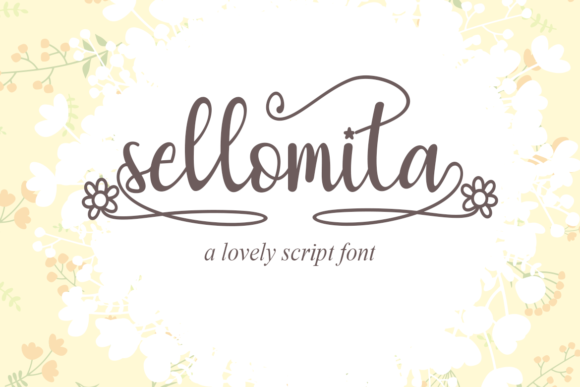
Sellomita: A Versatile and Elegant Handwritten Font for Every Design Need
If you're looking for a font that adds a personal, artistic touch to your designs, Sellomita is a strong contender. This handwritten-style typeface blends charm with sophistication, making it ideal for a wide range of creative projects. Whether you're designing wedding invitations or crafting a logo, Sellomita offers a unique visual appeal that stands out.
What Makes Sellomita Stand Out
Sellomita isn't just another font—it's a tool that brings a human element to digital design. Its varying baseline and smooth lines give it a natural, flowing feel that mimics real handwriting. The glyphs are beautifully crafted, and the swashes add an extra layer of elegance. What sets Sellomita apart is its PUA encoding, which allows users to access all the special characters and decorative elements without needing complex keyboard layouts.
For designers who want to add a personalized touch, this font provides the flexibility to use alternate characters and custom swashes. It’s especially useful when you need to create something that feels authentic rather than mass-produced.
Real-World Applications of Sellomita
Sellomita shines in situations where a handwritten aesthetic is desired. One of the most common uses is in wedding stationery. From save-the-dates to thank-you cards, this font can transform a simple message into something heartfelt and elegant. Couples often look for fonts that feel personal, and Sellomita delivers that without sacrificing style.
Beyond weddings, Sellomita works well for greeting cards, especially those meant for birthdays, anniversaries, or personal notes. Its soft curves and fluid lines make it perfect for messages that need a warm, friendly tone. When paired with subtle background textures or watercolor effects, the font takes on a more artisanal feel.
Businesses also find value in Sellomita. For small brands or boutique shops, using this font in logos or business cards can convey a sense of creativity and attention to detail. It’s particularly effective for industries like fashion, art, or wellness, where a personal brand identity is key.
Who Benefits from Using Sellomita?
Sellomita appeals to a broad audience, from professional designers to hobbyists. Graphic designers working on branding projects may use it to add a unique flair to their work. Meanwhile, independent artists or crafters might use it for social media posts, product labels, or promotional materials.
For educators or content creators, Sellomita can be a great choice when designing worksheets, certificates, or motivational quotes. Its readability and visual appeal make it suitable for both casual and formal settings. Teachers, for example, might use it to create handouts that feel more engaging and less rigid.
Freelancers and entrepreneurs who run online stores or offer services can also benefit. Using Sellomita in email signatures, social media bios, or website headers can help establish a more approachable and professional image.
Practical Tips for Using Sellomita
Before incorporating Sellomita into your projects, consider the context and audience. While it’s beautiful, it may not be the best choice for body text in long documents due to its stylized nature. Instead, use it for headings, titles, or short phrases where visual impact matters more than legibility.
When choosing a font, always test it across different platforms and devices. Sellomita’s PUA encoding makes it easy to access all its features, but ensure that the software you’re using supports it. Some design programs may require specific steps to unlock all the glyphs and alternates.
Another consideration is how the font pairs with other typefaces. If you're using Sellomita for a headline, pair it with a simpler, more neutral font for the body text. This contrast helps maintain balance and readability in your design.
Strengths and Limitations of Sellomita
The main strength of Sellomita is its ability to add personality to any design. Its elegant strokes and flowing lines make it ideal for projects that require a handmade feel. It’s also highly customizable, allowing users to experiment with different swashes and alternates to suit their needs.
However, there are some limitations. As a handwritten font, it may not be as versatile as sans-serif or serif fonts in certain contexts. For example, it might not be the best choice for technical documents, legal forms, or anything requiring strict typography standards.
Additionally, while the PUA encoding is a plus, not all users may be familiar with how to access all the glyphs. It’s worth noting that some programs may require additional setup to fully utilize the font’s capabilities.
Where to Find and Use Sellomita
Sellomita is available through various font marketplaces and design platforms. Once downloaded, it can be installed on most operating systems and used in design software like Adobe Illustrator, Photoshop, or Canva. Many users appreciate the ease of access and the variety of applications it supports.
For those new to typography, exploring Sellomita in different projects can be a fun way to experiment with style and expression. Whether you're creating a personal project or a client’s design, this font offers a fresh and appealing alternative to more traditional typefaces.