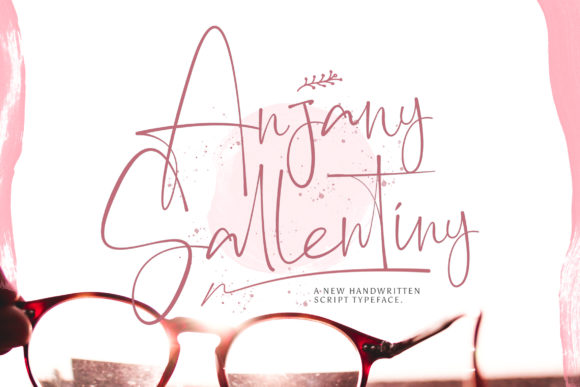
Anjany Sallentiny: A Strategic Choice for Elegant Design
For professionals and creatives seeking a distinctive visual identity, Anjany Sallentiny offers a refined solution. This script font combines elegance with versatility, making it ideal for a wide range of design applications. Whether you're crafting wedding invitations, business cards, or branding materials, Anjany Sallentiny provides a handwritten touch that elevates the overall aesthetic.
The font's PUA encoding ensures accessibility to all glyphs and swashes, allowing designers to maximize its potential without technical limitations. This feature is particularly valuable for those who prioritize customization and precision in their work.
Strategic Value of Anjany Sallentiny
Anjany Sallentiny isn't just a font—it's a strategic tool for enhancing communication and brand perception. In a world where visual consistency matters, this font can help establish a unique identity that resonates with your target audience. Its stylish appearance makes it especially effective for brands aiming to convey sophistication and creativity.
When used intentionally, Anjany Sallentiny can support various business goals. For example, entrepreneurs launching a new product line might use it on packaging to create an immediate sense of quality and care. Similarly, marketers can incorporate it into promotional materials to add a personal, human element that stands out in a crowded market.
When to Use Anjany Sallentiny
Understanding when to apply Anjany Sallentiny is key to leveraging its full potential. It works best in contexts where a handwritten or artistic touch enhances the message. This includes wedding invitations, thank you cards, and other personalized communications where a warm, authentic feel is essential.
For business applications, consider using it in logos, stationery, or digital assets where a balance between professionalism and creativity is needed. However, it's important to avoid overuse, as excessive application can dilute its impact and make the design appear cluttered.
How to Approach Anjany Sallentiny Thoughtfully
Before incorporating Anjany Sallentiny into your projects, take time to define your goals. Ask yourself: What message do I want to convey? Who is my audience? How does this font align with my brand's voice and values?
Start by experimenting with different sizes and placements. Test how it looks in both digital and print formats to ensure readability and visual harmony. Consider pairing it with complementary fonts to create contrast and maintain legibility, especially in longer text blocks.
Practical Examples of Effective Use
Small business owners often use Anjany Sallentiny to create a cohesive brand image. A boutique coffee shop might use it on menus and signage to evoke a sense of charm and individuality. Similarly, a freelance designer could incorporate it into their portfolio to highlight their creative flair and attention to detail.
In the realm of marketing, Anjany Sallentiny can be used in social media graphics, email newsletters, or advertisements to add a personal touch that connects with audiences on an emotional level. When paired with high-quality visuals, it can enhance storytelling and reinforce brand messaging.
Planning Tips for Maximum Impact
Effective use of Anjany Sallentiny requires careful planning. Begin by outlining the specific projects where it will be applied. Determine the tone and style of each piece to ensure consistency across all materials. This helps maintain a strong brand presence and avoids confusion among your audience.
Also, consider the context in which the font will be viewed. For instance, if it's used in a digital format, ensure it scales well on different devices. If it's part of a printed document, check that it maintains clarity and visual appeal at various sizes.
Strategic Observations and Decision-Making Guidance
One of the key advantages of Anjany Sallentiny is its ability to adapt to different design needs. However, this flexibility also means that it requires thoughtful decision-making. Avoid using it in situations where clarity or professionalism is paramount. For example, in formal reports or data-heavy presentations, a more traditional font may be more appropriate.
Another consideration is the cultural and emotional associations of the font. While it exudes elegance, it may not be suitable for every brand or message. Evaluate whether its aesthetic aligns with your brand's personality and the expectations of your audience.
Possible Risks of Unintentional Use
Without clear goals or context, Anjany Sallentiny can lose its effectiveness. Overuse or improper application can lead to a lack of focus, making your designs appear unprofessional or inconsistent. This is especially true in environments where a clean, modern look is expected.
Additionally, relying too heavily on a single font can limit your creative options. It's important to maintain a balanced approach, using Anjany Sallentiny strategically while also exploring other typefaces that complement your overall design strategy.
Long-Term Value and Branding
Investing in a font like Anjany Sallentiny can have long-term benefits for your brand. Consistent use across multiple platforms helps build recognition and trust with your audience. Over time, this can strengthen your brand's identity and differentiate it from competitors.
Moreover, as your business grows, the font can evolve with you. Whether you're expanding your product line, entering new markets, or rebranding, Anjany Sallentiny can remain a versatile asset that supports your ongoing design needs.
Conclusion: Using Anjany Sallentiny Intentionally
Anjany Sallentiny is more than just a stylish font—it's a strategic choice that can enhance your design work and support your broader goals. By understanding its strengths, considering its applications, and using it thoughtfully, you can unlock its full potential.
Whether you're a small business owner, a marketer, or a creative professional, Anjany Sallentiny offers a powerful way to express your vision and connect with your audience. With the right approach, it can become an essential part of your design toolkit and a valuable asset in your long-term strategy.