Lady Rose: A Handwritten Font for Romantic Designs
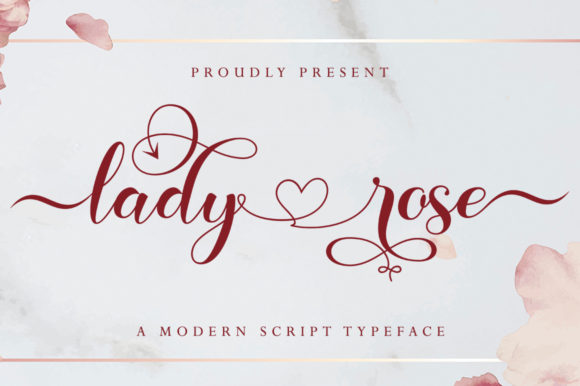
Lady Rose is a romantic and dreamy handwritten font that brings a personal, elegant touch to a wide range of design projects. Its flowing script and soft curves make it ideal for creative applications such as wedding invitations, thank you cards, quotes, greeting cards, logos, and business cards. The font's aesthetic appeals to designers and individuals looking to add a handwritten feel to their work without the need for actual handwriting.
What Is Lady Rose?
Lady Rose is a digital font designed to mimic the look of hand-written text. It features a delicate, cursive style that exudes warmth and sophistication. The font includes a variety of glyphs and swashes, which are accessible due to its PUA (Private Use Area) encoding. This means users can easily access all the stylistic variations without needing special software or tools.
The font is particularly well-suited for projects that require a personal or artistic touch. Whether it's for a wedding event, a custom logo, or a heartfelt message, Lady Rose adds a unique and charming element to any design.
Why Someone Might Be Interested in Lady Rose
Designers and creatives often seek fonts that offer both visual appeal and practicality. Lady Rose fits this need by combining aesthetic beauty with usability. Its handwritten style makes it an excellent choice for projects where a more personal or intimate feel is desired. For instance, couples planning a wedding might use Lady Rose on invitations to create a sense of elegance and tradition.
Additionally, the font's versatility allows it to be used across multiple platforms and mediums. From print materials like business cards to digital designs such as social media graphics, Lady Rose can adapt to different formats while maintaining its distinctive character.
Benefits of Using Lady Rose
One of the primary benefits of Lady Rose is its ability to convey emotion and personality through typography. Unlike standard serif or sans-serif fonts, handwritten styles like Lady Rose can evoke a sense of authenticity and craftsmanship. This makes it a popular choice for branding, especially for businesses or individuals aiming to communicate a warm and approachable image.
The font's PUA encoding also provides flexibility. Users can access all the glyphs and swashes without limitations, allowing for greater customization and creative freedom. This feature is particularly useful for designers who want to experiment with different letterforms and stylistic elements.
Tradeoffs and Considerations
While Lady Rose offers many advantages, it may not be the best choice for every project. Its cursive style can sometimes be difficult to read, especially in smaller sizes or when used extensively in body text. This limitation means that it is better suited for headings, titles, or short phrases rather than long paragraphs of text.
Another consideration is the font's availability. Unlike widely used fonts that come pre-installed on most devices, Lady Rose may need to be downloaded and installed separately. This could be a minor inconvenience for users who are not familiar with font installation processes.
Situations Where Lady Rose Is a Strong Fit
Lady Rose excels in situations where a romantic, personalized, or artistic touch is needed. For example, it is commonly used in wedding-related designs, including invitations, RSVP cards, and ceremony programs. Its elegant style complements the overall theme of weddings, adding a refined and nostalgic feel.
It is also a good fit for branding projects that aim to convey a sense of creativity or individuality. Businesses in the arts, fashion, or lifestyle industries may find that Lady Rose aligns with their brand identity and helps differentiate them from competitors.
Situations Where Alternatives May Be Worth Considering
In cases where readability is a priority, alternatives to Lady Rose may be more appropriate. For instance, if a design requires large blocks of text or needs to be accessible to a broad audience, a more legible font such as a serif or sans-serif typeface might be a better option.
Additionally, for projects that require a more modern or minimalist aesthetic, other handwritten fonts with cleaner lines or simpler structures could be more suitable. Designers should evaluate their specific needs and consider how the font will perform in the intended context.
Practical Decision-Making Insights
When deciding whether to use Lady Rose, it's important to consider the purpose of the design and the target audience. If the goal is to create a visually appealing, personal, or romantic design, Lady Rose is a strong candidate. However, if clarity and functionality are more critical, alternative fonts may be more effective.
Testing the font in different contexts can also help determine its suitability. Designers should experiment with various sizes, colors, and layouts to see how Lady Rose performs in real-world scenarios. This process can reveal any potential issues and ensure that the font meets the project's requirements.
Ultimately, Lady Rose is a valuable tool for those seeking to add a handwritten element to their designs. Its unique style and flexibility make it a compelling choice for a wide range of creative projects, provided that its limitations are understood and addressed. By carefully evaluating its strengths and weaknesses, users can make informed decisions about whether it aligns with their goals and needs.