Fieldstone: A Handwritten Font with Personality
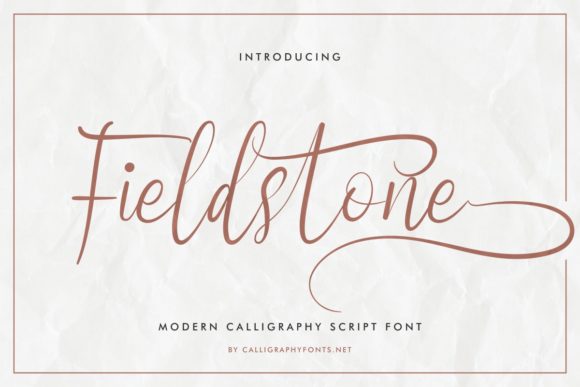
Fieldstone is a stylish, clean, and joyful handwritten font that brings a personal touch to any design. Its elegant yet approachable style makes it ideal for a wide range of creative projects. Whether you're designing a greeting card, crafting a logo, or adding flair to a business card, Fieldstone offers a unique blend of charm and versatility.
What Makes Fieldstone Stand Out
Fieldstone has a distinct visual character that sets it apart from other fonts. It features soft curves, subtle flourishes, and a natural, hand-drawn feel. This makes it perfect for designs that require a warm, inviting aesthetic. The font's personality is both friendly and professional, making it suitable for both casual and formal applications.
Its handwritten nature gives it an organic quality that feels more personal than standard digital fonts. This makes it especially appealing for branding, editorial design, and packaging where a human touch can make a big difference. Fieldstone is also PUA encoded, which means you can access all the glyphs and swashes without any extra steps.
Where Fieldstone Shines
Fieldstone excels in projects that benefit from a personalized look. It works well in logos, where its unique style can help a brand stand out. For greeting cards, it adds a heartfelt, custom feel that resonates with recipients. In business cards, it can create a memorable first impression that reflects a brand’s personality.
This font is also great for web design, social media graphics, and editorial layouts. Its readability at smaller sizes makes it a good choice for headings and subheadings. When used in print, it adds a tactile, artistic element that can elevate the overall design. Fieldstone is equally effective in commercial and personal projects, making it a versatile addition to any designer’s toolkit.
How Fieldstone Influences Design and Branding
Typography plays a crucial role in how audiences perceive a brand. Fieldstone’s friendly, handwritten style can help create a sense of trust and approachability. It’s particularly effective for brands that want to convey warmth, creativity, or authenticity. However, it’s important to consider the context in which it’s used—too much use can dilute its impact.
In terms of visual hierarchy, Fieldstone works best as a display font rather than a body text. It’s ideal for headlines, captions, and other elements that need to catch attention. When paired with a more neutral typeface, it can add contrast and balance to a design. For example, pairing it with a sans serif font like Helvetica or Roboto can create a modern, polished look.
Consistency is key when using Fieldstone. If it’s part of a brand identity, it should be applied uniformly across all materials. This helps reinforce brand recognition and ensures a cohesive visual language. Using it sparingly can also maintain its effectiveness and prevent it from becoming overwhelming.
Choosing the Right Font for Your Project
When considering Fieldstone for your project, start by evaluating the purpose and audience. Is the design meant to be playful, professional, or nostalgic? Fieldstone’s personality aligns well with projects that aim to feel authentic and human. It’s less suited for high-impact advertising or technical documents where clarity and neutrality are priorities.
Testing different font pairings is essential. Experiment with how Fieldstone looks alongside other fonts to see what works best. Pay attention to spacing, weight, and overall harmony. Also, review the font’s available styles—some handwritten fonts come with multiple variations, such as regular, bold, and alternate characters.
Readability is another important factor. While Fieldstone is readable at larger sizes, it may not be the best choice for long paragraphs. Use it for short phrases, titles, or decorative elements rather than extended text. Always test it in the actual size and format it will be used in to ensure it meets your needs.
Finally, check the licensing terms. Fieldstone is a commercial font, so make sure you have the appropriate license for your intended use. This includes both personal and professional projects, ensuring you can use it without legal issues.
Practical Tips for Using Fieldstone
If you’re new to using handwritten fonts, start by incorporating Fieldstone into small design elements. Use it for a headline on a website, a tagline on a poster, or a signature on a business card. This allows you to get a feel for how it works in different contexts before committing to larger applications.
For branding, consider how Fieldstone fits into your overall visual identity. Does it complement your existing colors, logos, and other design elements? If it does, it can become a powerful tool for reinforcing your brand’s message. If not, you may need to adjust other aspects of your design to create a cohesive look.
Fieldstone is also great for personal projects, such as DIY crafts, wedding invitations, or handmade gifts. Its unique style can add a special touch that makes these items feel more meaningful. Whether you’re a designer, marketer, or hobbyist, Fieldstone offers a way to express creativity with ease.