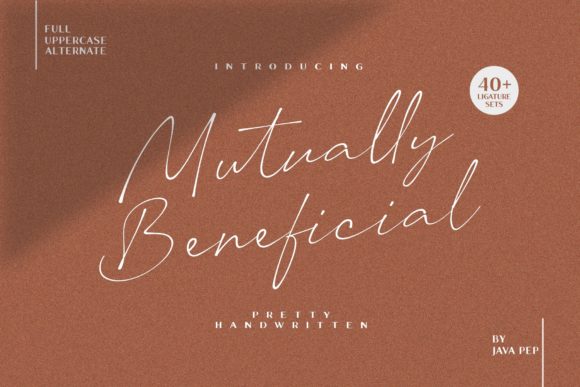
Mutually Beneficial: A Handwritten Font for Strategic Design
In the world of design, typography plays a crucial role in conveying tone, personality, and intent. For those seeking a unique and elegant touch, Mutually Beneficial offers a stylish solution. This handwritten font is not just aesthetically pleasing—it's a strategic tool that can enhance communication, branding, and creativity across various applications.
What Is Mutually Beneficial?
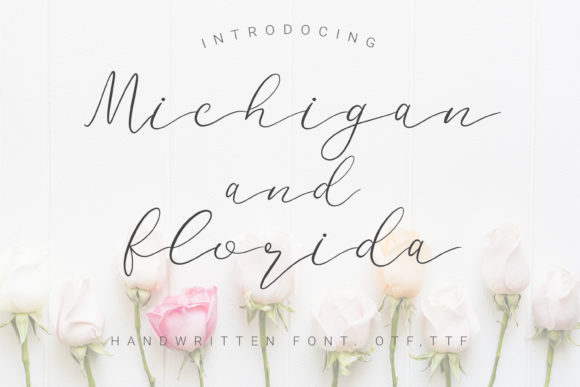
Mutually Beneficial is a thin and flowing handwritten font that exudes sophistication and warmth. Its fluid lines and soft curves make it ideal for projects that require a personal, artistic flair. Whether you're designing wedding invitations, thank you cards, or business materials, this font adds a touch of authenticity and charm that standard fonts often lack.
One of the standout features of Mutually Beneficial is its PUA encoding. This means users can access all the glyphs and swashes without restrictions, making it easy to customize and adapt the font for different design needs. This flexibility is especially valuable for designers who want to create unique visual identities without compromising on quality or usability.
Strategic Use of Mutually Beneficial
When used thoughtfully, Mutually Beneficial can support a wide range of goals, from improving customer engagement to reinforcing brand identity. In marketing and advertising, for example, this font can help create a more approachable and trustworthy image. It works well for slogans, taglines, and promotional materials where a human touch is essential.
For entrepreneurs and small business owners, Mutually Beneficial can be a powerful branding asset. It allows businesses to differentiate themselves in a crowded market by offering a visually distinctive and emotionally resonant design. This is particularly effective for brands targeting creative or artisanal audiences who value individuality and craftsmanship.
When to Use Mutually Beneficial
The right application of Mutually Beneficial depends on the context and audience. It’s most effective when paired with other design elements that complement its elegance. For instance, using it on a business card alongside a minimalist layout can create a balance between professionalism and personalization.
Consider the purpose of your design before choosing Mutually Beneficial. If your goal is to convey authority or formality, this font may not be the best choice. However, if you're aiming for a warm, inviting, or artistic tone, it can be an excellent fit. Always test the font in different sizes and formats to ensure readability and visual harmony.
How to Approach Using Mutually Beneficial
Before incorporating Mutually Beneficial into your design, take time to plan and consider the overall message you want to communicate. Start by identifying the key elements of your project—such as the target audience, brand voice, and visual style—and determine how the font will align with these factors.
Use Mutually Beneficial selectively rather than excessively. Overuse can dilute its impact and make your design feel cluttered. Instead, apply it to specific elements like headlines, logos, or callout text to draw attention and add visual interest. Pair it with complementary fonts to maintain contrast and clarity.
Practical Examples of Mutually Beneficial in Action
Imagine a wedding invitation designed with Mutually Beneficial as the main heading. The font’s flowing script adds a sense of romance and elegance, setting the tone for the entire event. When paired with a clean, modern sans-serif for the body text, it creates a balanced and cohesive look.
Another example is a thank-you card for a client. Using Mutually Beneficial in the greeting and closing lines can make the message feel more personal and heartfelt. This subtle touch can strengthen relationships and leave a lasting impression.
Considerations Before Relying on Mutually Beneficial
While Mutually Beneficial is versatile, it’s important to recognize its limitations. Not all design projects require a handwritten font, and forcing its use can lead to poor results. Consider whether the font enhances or detracts from the overall message and aesthetic of your work.
Additionally, ensure that Mutually Beneficial is accessible to all users. Test it on different devices and screen sizes to confirm that it remains legible and functional. Accessibility should always be a priority, even when working with stylistic choices.
Risks of Using Mutually Beneficial Without Clear Goals
Without a clear strategy, using Mutually Beneficial can lead to inconsistent or confusing designs. For example, applying it to every element of a website or document may overwhelm the reader and undermine the intended message. This can result in a loss of focus and reduced effectiveness.
To avoid these pitfalls, define your objectives before selecting the font. Ask yourself: What do I want to achieve with this design? Who is my audience? How does Mutually Beneficial contribute to these goals? By answering these questions, you can make more informed decisions and ensure that the font serves a meaningful purpose.
Intentional Use of Mutually Beneficial
Intentional use of Mutually Beneficial requires a thoughtful approach. Start by understanding the values and emotions you want to convey. Then, choose the font as a tool to support those intentions, rather than as a random or decorative choice.
Take time to experiment with different styles, layouts, and combinations. Observe how Mutually Beneficial interacts with other design elements and adjust accordingly. This process helps you develop a deeper connection with the font and ensures that it enhances your work rather than hinders it.
Long-Term Value of Mutually Beneficial
Investing in Mutually Beneficial can provide long-term value by strengthening your brand’s visual identity and customer experience. Consistent use of the font across multiple platforms—such as social media, email newsletters, and printed materials—can create a unified and memorable presence.
Moreover, Mutually Beneficial can inspire creativity and innovation. Its unique character encourages designers to think outside the box and explore new ways to express ideas. This can lead to more engaging and impactful designs that resonate with audiences over time.
Conclusion: Embrace Mutually Beneficial Strategically
Mutually Beneficial is more than just a font—it’s a strategic choice that can elevate your design work and support your broader goals. By using it intentionally and thoughtfully, you can create designs that are both beautiful and effective.
Whether you’re a designer, entrepreneur, or marketer, Mutually Beneficial offers a powerful way to connect with your audience and stand out in a competitive landscape. With the right approach, this font can become an essential part of your design toolkit, helping you achieve better results and long-term success.