The Timeless Elegance of Andena: A Handwritten Font for Every Design
In the world of design, typography plays a crucial role in conveying emotion, tone, and personality. Among the many fonts available, Andena stands out as a unique and elegant handwritten font that adds a touch of sophistication to any project. Whether you're designing wedding invitations, greeting cards, or business logos, Andena offers a distinct style that feels both delicate and timeless. In this article, we'll explore what makes Andena special, its versatility, and why it's a favorite among designers and creatives.
What is Andena?
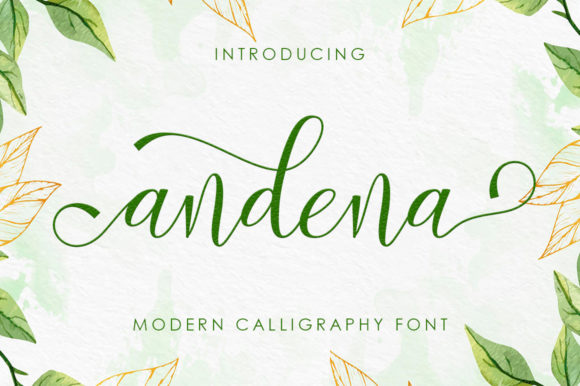
Andena is a handwritten font that mimics the natural flow of a pen on paper. Its soft curves, slight variations in stroke thickness, and organic feel give it a personal and authentic look. Unlike standard serif or sans-serif fonts, which are often rigid and uniform, Andena brings a human element to typography. This makes it ideal for projects that require a more personal or artistic touch.
Designed with care, Andena is not just a font—it's a style that can elevate any design. It’s perfect for those who want to add a sense of warmth and individuality to their work. The font is also highly readable, making it suitable for both short phrases and longer text blocks.
Why Choose a Handwritten Font Like Andena?
Handwritten fonts have become increasingly popular in recent years, especially in the realms of branding, marketing, and personal communication. They offer a refreshing alternative to the cold, mechanical look of most digital fonts. Andena, in particular, is known for its ability to convey a sense of intimacy and authenticity.
- Personalization: Handwritten fonts like Andena allow for a more personalized design, making it ideal for invitations, thank-you notes, and other one-of-a-kind pieces.
- Emotional Impact: The natural imperfections of a handwritten font can evoke feelings of warmth, sincerity, and creativity.
- Visual Interest: Using a handwritten font can add visual contrast and depth to a design, making it more engaging and memorable.
Whether you're creating a logo for a boutique, designing a website, or crafting a special message, Andena provides a versatile and expressive option that stands out from the crowd.
Where Can You Use Andena?
One of the greatest strengths of Andena is its adaptability. It works well across a wide range of design applications, from traditional print media to digital platforms. Here are some common uses for Andena:
Wedding Invitations and Thank You Cards
Weddings are all about love, celebration, and personal expression. Andena is a perfect choice for wedding invitations because it adds a romantic and elegant touch. Its flowing script gives a sense of refinement while still feeling warm and inviting. Similarly, thank you cards featuring Andena can make a lasting impression by adding a personal and heartfelt note.
Greeting Cards and Quotes
Greeting cards often rely on visual appeal and emotional resonance. Andena’s delicate strokes make it ideal for birthday, anniversary, and holiday cards. It can also be used to display quotes, sayings, or motivational messages in a way that feels more intimate and meaningful than a standard font.
Logos and Branding
For businesses looking to create a unique identity, Andena can be an excellent choice for logos. Its handwritten style can convey creativity, approachability, and craftsmanship—qualities that are essential for many brands. However, it’s important to use it strategically, as it may not be suitable for all industries. For example, a tech startup might prefer a more modern, clean font, while a boutique coffee shop could benefit from Andena’s warm and artistic vibe.
Business Cards and Stationery
Business cards are often the first point of contact between a professional and a client. Using Andena on a business card can help create a memorable impression. It adds a personal touch that sets the card apart from the typical blocky, corporate fonts. Additionally, stationery such as letterheads, envelopes, and brochures can benefit from Andena’s aesthetic appeal.
How to Use Andena Effectively
While Andena is a beautiful font, using it effectively requires some consideration. Here are a few tips to help you make the most of this unique typeface:
- Use it Sparingly: Due to its intricate details, Andena may not be the best choice for large blocks of text. It works best when used for headings, titles, or short phrases.
- Pair It with Simpler Fonts: To maintain readability and balance, pair Andena with a more straightforward font for body text. This creates a harmonious contrast that enhances the overall design.
- Consider the Context: Think about the message you want to convey. If your design is meant to be formal or professional, ensure that Andena fits the tone and purpose.
By following these guidelines, you can ensure that Andena complements your design rather than overwhelming it.
Andena in Modern Design Trends
As design trends continue to evolve, the demand for personalized and creative elements has grown. Andena aligns perfectly with this shift, offering a fresh and distinctive alternative to conventional fonts. Its popularity has been driven by its ability to blend tradition with modernity, making it relevant in today’s design landscape.
Many designers and artists are turning to handwritten fonts like Andena to stand out in a crowded market. Whether it's for social media graphics, website headers, or packaging designs, Andena provides a unique visual identity that resonates with audiences.
Moreover, the rise of digital tools and software has made it easier than ever to incorporate custom fonts into various projects. With Andena, users can experiment with different styles, colors, and layouts to create something truly original.
Common Misconceptions About Handwritten Fonts
Despite their growing popularity, handwritten fonts are sometimes misunderstood. One common misconception is that they are less professional or harder to read. However, when used correctly, fonts like Andena can enhance professionalism and readability without sacrificing style.
Another assumption is that handwritten fonts are only suitable for casual or artistic projects. While they do excel in these areas, they can also be adapted for more formal contexts, provided they are used thoughtfully.
It’s also worth noting that not all handwritten fonts are created equal. Some may lack the quality or consistency needed for high-level design work. Andena, however, is crafted with attention to detail, ensuring a polished and reliable appearance.
Conclusion
In a world where digital typography dominates, Andena offers a refreshing and elegant alternative. Its delicate, handwritten style brings a sense of warmth, creativity, and individuality to any design. From weddings to logos, from greeting cards to branding materials, Andena proves that typography can be both functional and expressive.
Whether you're a designer, a business owner, or simply someone who appreciates good design, Andena is a font worth exploring. By understanding its strengths and proper usage, you can harness its beauty to create designs that stand out and resonate with your audience.